
One of Batman’s most distinctive villains, Clayface, is getting his first live-action feature film as the lead character. Scheduled to hit U.S. theaters on October 23, 2026, the DC Studios production takes a horror-driven approach to the character’s story, exploring a villain who has undergone several transformations throughout more than 80 years of comic book history.
Clayface is known for his ability to change his appearance, impersonate other people, and transform his body into a malleable, clay-like substance. However, he did not always possess these powers. His story began in 1940, when DC Comics introduced an antagonist whose connection to clay was more closely tied to makeup, filmmaking, and an obsession with fame.
To understand Clayface’s origins and his significance in the Batman universe, it is important to explore his different identities, the evolution of his abilities, and the path that led the villain to headline his first live-action feature film.
Clayface’s First Appearance in Comics
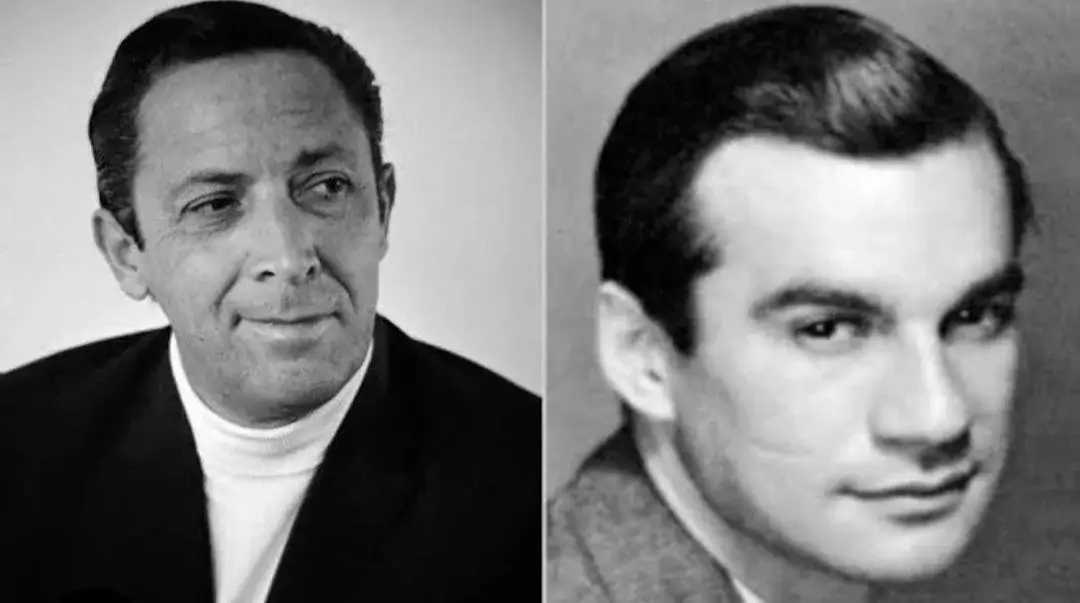
Clayface made his comic book debut in Detective Comics #40, published in 1940. Created by Bill Finger and Bob Kane, the character was introduced as Basil Karlo, a horror movie actor who turns to crime after discovering that one of his films is being remade without him.

In his original incarnation, Karlo was neither a supernatural creature nor someone capable of transforming his body into clay. Instead, he adopted the identity of a movie character to hunt down and attack people involved in the production, turning his experience as an actor into a tool for committing murder.
The name Clayface established an early connection between the villain and the creation of artificial faces. Makeup and the ability to assume a different identity helped shape an antagonist suited to Batman’s world of mystery and investigation.
The original concept was relatively close to a crime thriller. The fantastical elements that define the character today would be developed later, when other individuals assumed the Clayface identity and gained extraordinary powers.
Basil Karlo, the Original Clayface
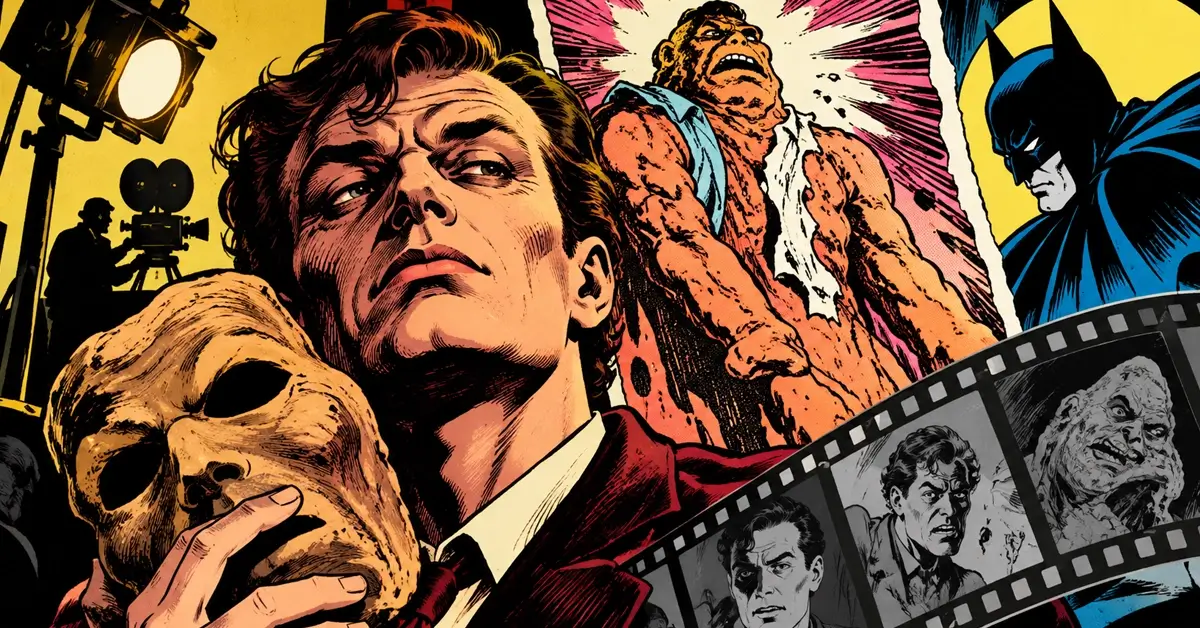
Basil Karlo is one of the most important figures in Clayface’s history, even though he was not the version responsible for popularizing the villain’s shape-shifting powers. His origin is rooted in professional frustration, an obsession with his own image, and an inability to accept the loss of recognition.
As an actor specializing in horror movies, Karlo built his identity around portraying frightening characters. When he realizes that his career is in jeopardy, he uses his experience to assume the Clayface identity and attack those he believes are responsible for his downfall.
Karlo’s story also helped establish the character’s distinctive relationship with cinema within DC Comics. Rather than representing only a physical threat, he came to symbolize the blurred line between performance and reality, as well as the difficulty of separating one’s identity from the roles played in front of the camera.
Over the decades, Basil Karlo has been given new storylines and characteristics, including versions in which he also develops extraordinary abilities. His history, therefore, extends beyond the ordinary human portrayal featured in his first appearance.
Matt Hagen: The Origins of Clayface’s Shape-Shifting Powers
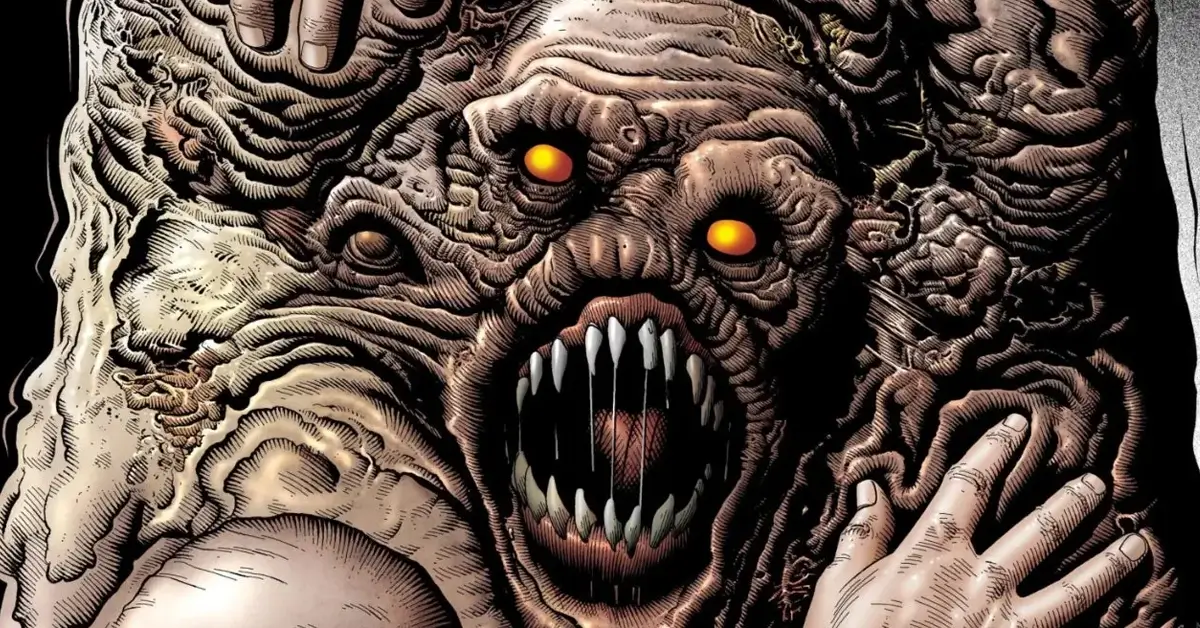
The version of Clayface that helped establish the villain as a shape-shifting creature appeared later. In 1961, Matt Hagen was introduced as a new character associated with the Clayface name, expanding on DC’s original concept.
Unlike Basil Karlo, Hagen was an adventurer who came into contact with a mysterious substance capable of transforming his body. Exposure to the material gave him the ability to change his appearance and assume different forms, making him a much more difficult opponent to identify and defeat.
This change dramatically expanded the character’s potential. While the original Clayface relied on disguises to deceive his victims, Matt Hagen could transform his own body, impersonate other people, and use his shape-shifting abilities as a weapon.
The new version also brought the villain closer to science fiction and body horror. The possibility of losing control over his physical form added a disturbing dimension to the character, who came to represent a threat not only to other people’s identities but also to his own physical integrity.
Who Has Been Clayface in the Comics?
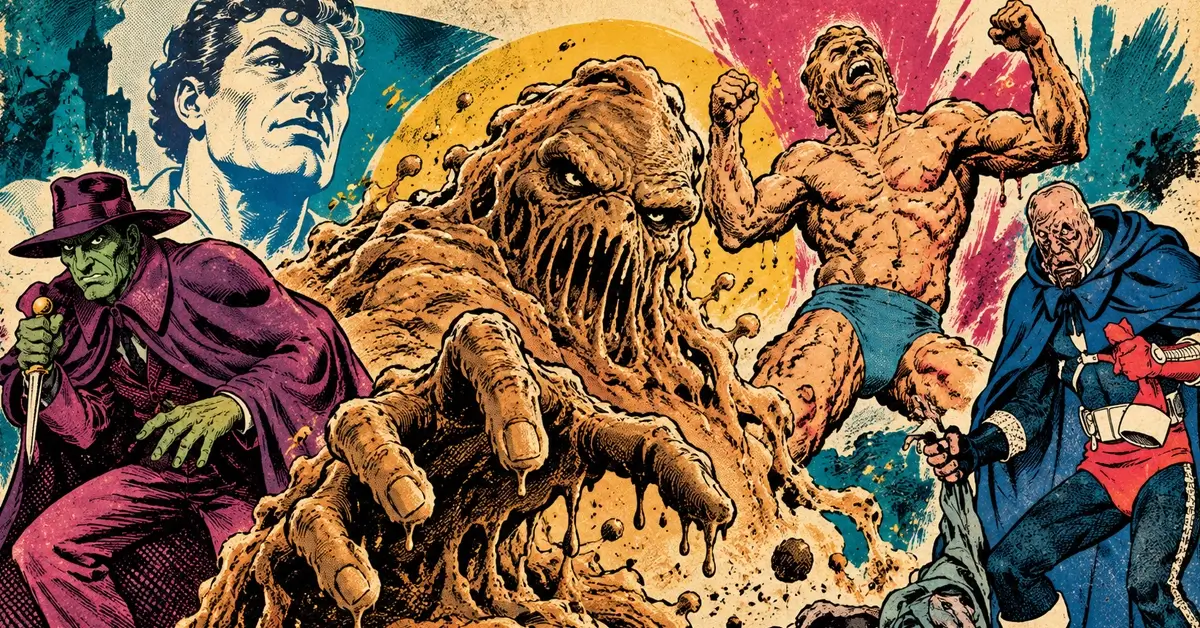
One distinctive aspect of the DC universe is that Clayface is not a single person. Over the years, different characters have used the name, each with their own origin, personality, and abilities.
In addition to Basil Karlo and Matt Hagen, the roster includes Preston Payne, Sondra Fuller, Cassius Payne, Peter Malley, Todd Russell, and Johnny Williams. The differences between these incarnations have allowed writers to explore themes such as scientific accidents, mutations, identity, and the loss of control over one’s own body.
| Character | General Characteristics |
|---|---|
| Basil Karlo | A horror movie actor and the first character to use the Clayface identity. |
| Matt Hagen | An adventurer who gains shape-shifting powers after coming into contact with a mysterious substance. |
| Preston Payne | A character whose transformation is connected to scientific experiments and a dangerous physical condition. |
| Sondra Fuller | Also known as Lady Clay, she possesses shape-shifting abilities. |
| Cassius Payne | A character connected to the Clayface lineage and new manifestations of its powers. |
| Peter Malley | One of the identities that expanded the character’s history in the comics. |
| Todd Russell | Another incarnation associated with the Clayface identity and its abilities. |
| Johnny Williams | A character who also assumes the identity in DC stories. |
Although they share the same name, these versions should not be treated as the same person. Comic book continuity has changed over time, and DC has used different explanations for the origins and abilities of each incarnation.
Clayface’s Powers
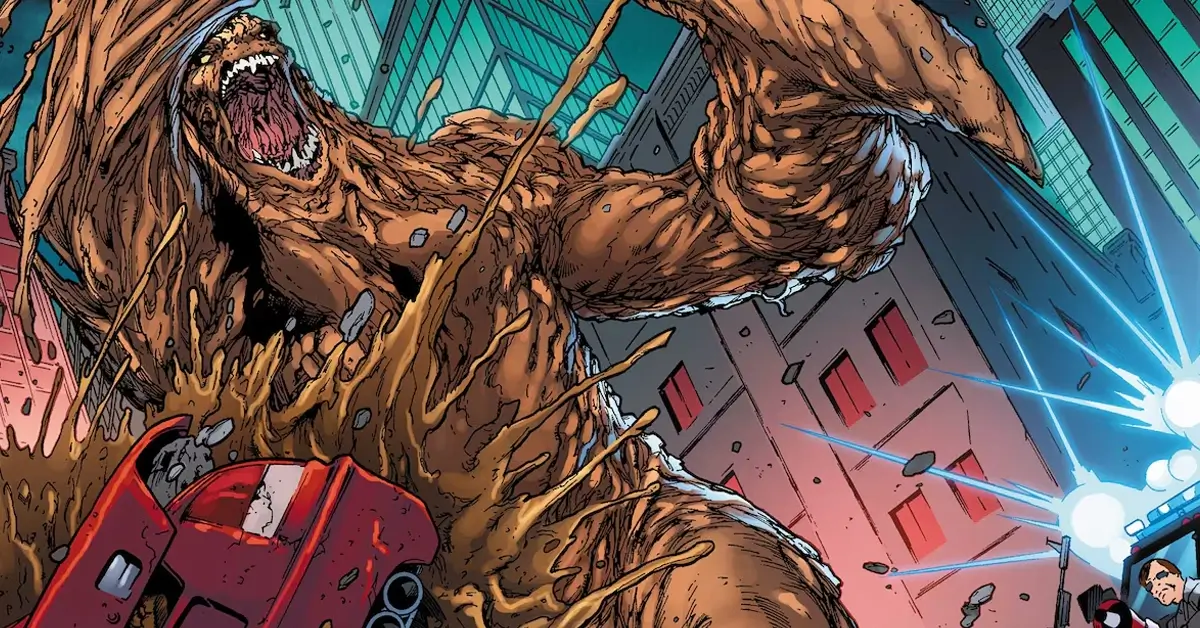
Clayface’s abilities vary depending on the incarnation, but the best-known versions possess powers that make the villain particularly dangerous to Batman. His greatest advantage is the ability to alter his physical structure, allowing him to impersonate other people and take on different appearances.
- Shape-shifting: He can alter his face, body, and overall appearance to imitate other people.
- Disguise and infiltration: He can assume different identities to deceive both allies and enemies.
- Body manipulation: Some versions can change the size and shape of their limbs, creating powerful structures for combat.
- Superhuman strength: Certain incarnations possess strength and durability beyond those of an ordinary human.
- Regeneration: Depending on the version, his body can reassemble itself after sustaining significant damage.
These abilities make Clayface different from criminals who rely on weapons or technological equipment. Batman may even struggle to determine whether he is dealing with a genuine ally, since the villain can use other people’s appearances to manipulate situations.
The relationship between the body and identity also makes Clayface particularly well suited to horror. The possibility of no longer recognizing one’s own face or losing control over one’s appearance turns a fantastical ability into a source of psychological distress.
Clayface and Batman’s Relationship
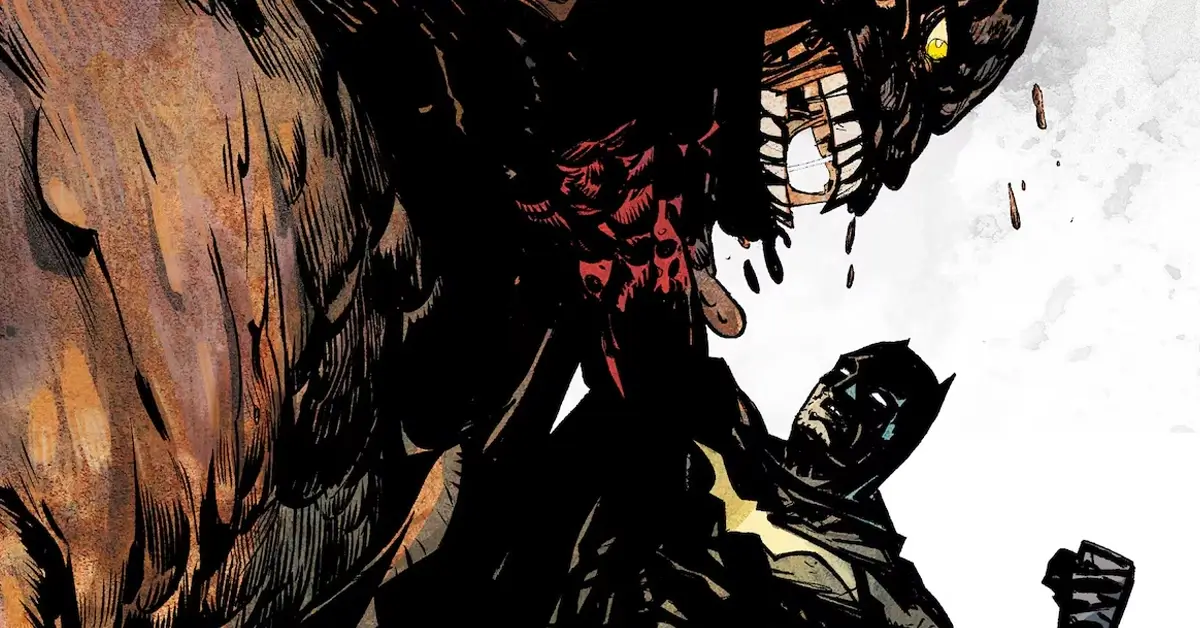
Clayface has become one of Batman’s recurring adversaries in Gotham City. His disguises create challenges that go beyond physical combat, forcing the hero to rely on investigation, observation, and the ability to distinguish appearances from reality.
The character has also appeared in other media, including animated series and video games. One of the best-known adaptations is Batman: The Animated Series, which explored the tragic side of his transformation and helped introduce the villain to a generation of viewers.
Across different versions, Clayface has evolved beyond a criminal who relies on disguises. Some stories explore his vulnerability, his desire to regain his original appearance, and the difficulty of preserving his humanity after a radical transformation.
This combination of menace and tragedy has helped keep the character relevant among Batman’s extensive gallery of enemies. In certain stories, Clayface’s motivations and personal struggles make him more than a conventional villain, adding emotional depth to his conflicts with the Dark Knight.
How Does the Clayface Movie Adapt the Character’s Origin?

The 2026 film Clayface offers a new interpretation of Matt Hagen’s story. Rather than following the path of a traditional superhero adventure, the DC Studios production embraces horror to explore the protagonist’s physical and psychological transformation.
Played by Tom Rhys Harries, Hagen is portrayed as an actor who rises from humble beginnings in Gotham City to achieve success in Hollywood. His journey is derailed when the actions of a local crime boss leave him severely disfigured.
Faced with the loss of his appearance and the difficulty of restoring his face, the character turns to an experimental treatment. The procedure initially offers the possibility of recovering his former appearance, but it triggers unexpected consequences and sends Hagen down a path of revenge.
The story uses elements of body horror, a subgenre known for its focus on physical transformation and bodily deterioration, to explore changes to the body and the erosion of identity. The result promises a darker perspective on a villain traditionally associated with Batman stories.
The cast includes Naomi Ackie, David Dencik, Max Minghella, and Eddie Marsan, along with Nancy Carroll and Joshua James. James Watkins directs the film from a screenplay by Mike Flanagan and Hossein Amini, based on characters from DC.
Related: Meet the Full Cast of Clayface
Although the production draws on familiar elements of Clayface mythology, the movie’s story should not be confused with a literal adaptation of every version from the comics. As with other adaptations, the film reshapes aspects of the character’s origin to create its own narrative.
When Does Clayface Hit Theaters?
Clayface is scheduled to open in U.S. theaters on October 23, 2026. The production marks the character’s first live-action feature film centered on him, bringing the DC villain into a story in which he takes the lead.
The horror approach allows the film to explore themes that do not always receive much attention in conventional superhero adaptations: the fear of losing one’s identity, the consequences of experimental procedures, and the relationship between appearance and personal worth.
More than 80 years after his comic book debut, Clayface continues to offer storytelling possibilities that go beyond his rivalry with Batman. The new production draws on this tragic dimension to turn the villain’s origin into a horror story about fame, transformation, and self-destruction.