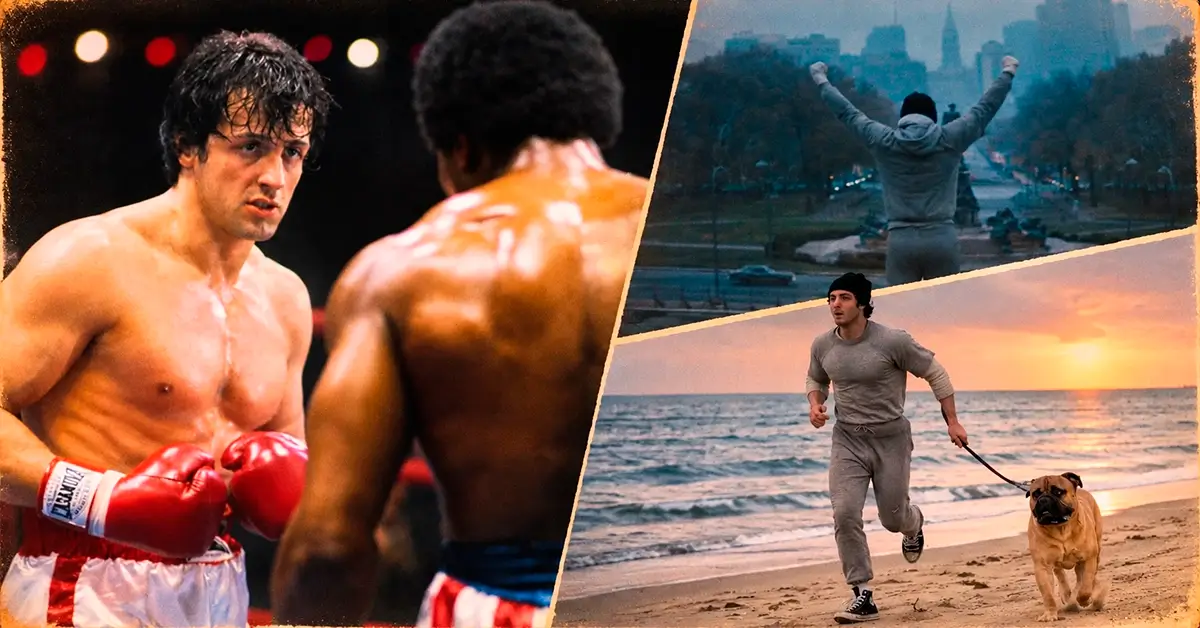
Long before becoming one of the most recognizable characters in film history, Rocky Balboa was nothing more than an idea on paper. Behind the creation of Rocky (1976), however, was a story just as unlikely as that of the boxer himself: the journey of a young actor struggling financially, receiving few opportunities in Hollywood, and determined to play the lead character in his own screenplay.
That journey comes to the big screen in I Play Rocky, a film that revisits the behind-the-scenes story of how one of the greatest sports movies of all time came to be. Starring Anthony Ippolito as a young Sylvester Stallone, the movie follows the obstacles the actor faced while trying to turn his idea into a film, refusing to give up the role that would change his career.
Directed by Peter Farrelly, the Academy Award winner behind Green Book, the film explores an important chapter in Hollywood history: Stallone’s decision to bet on his own talent, even when the industry seemed unwilling to believe in his potential.
Who Was Sylvester Stallone Before Rocky?
Before achieving international recognition, Sylvester Stallone was an aspiring actor struggling to land meaningful roles. Born in New York City in 1946, he faced a reality far removed from the Hollywood stardom he would achieve in the years that followed.
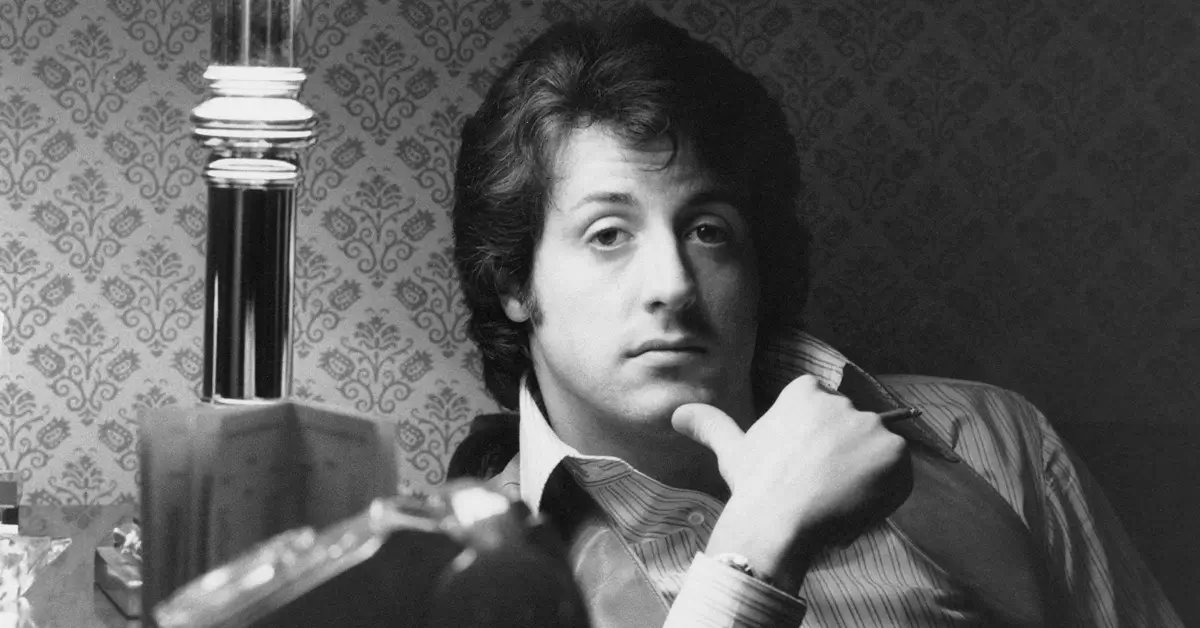
His professional career consisted largely of minor appearances and jobs that did little to establish his name in the film industry. With no financial stability and few prospects for career advancement, Stallone also had to deal with the challenges of supporting his family.
It was during this period that he began developing an idea that would change his life. Although he already had experience as an actor and screenwriter, Stallone had yet to find an opportunity that could showcase his potential. Rather than waiting for a call from Hollywood, he decided to write a story he could star in himself.
The result would be Rocky, a sports drama about an unknown boxer who gets the opportunity to fight the reigning world heavyweight champion, Apollo Creed.
The Chuck Wepner Fight That Inspired Rocky Balboa
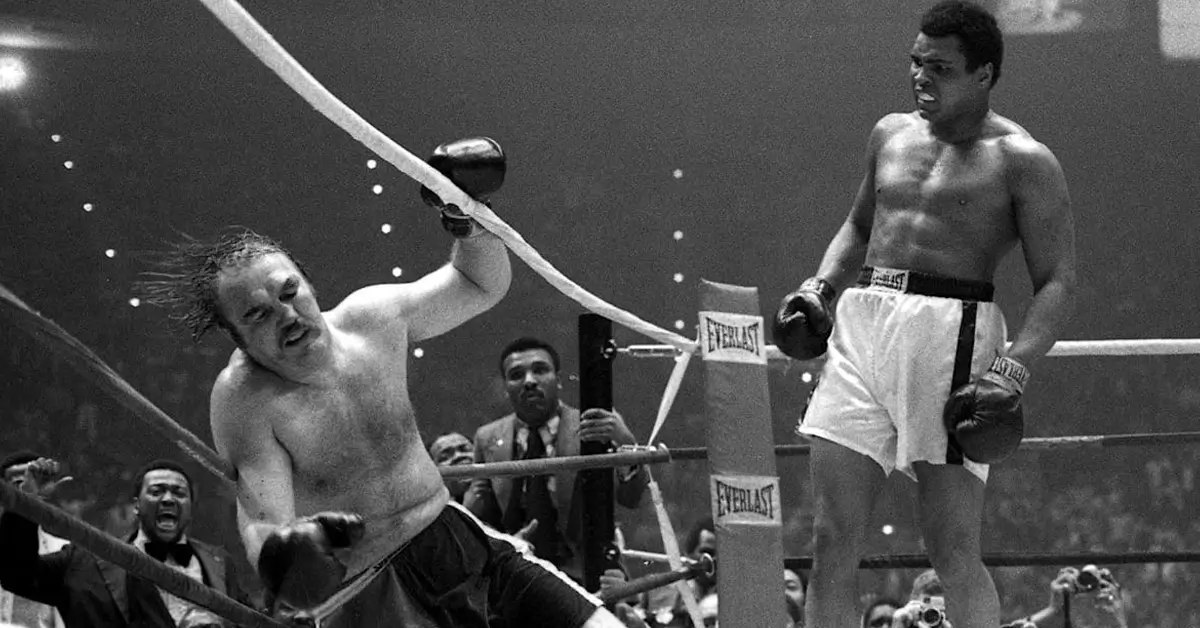
One of the main inspirations behind Rocky Balboa came from a real-life event in the boxing world. On March 24, 1975, reigning world champion Muhammad Ali faced boxer Chuck Wepner in a fight held in Richfield, Ohio, in the United States.
Wepner was not considered the favorite and had little chance of winning. Despite the odds, he managed to stay in the fight for most of the bout and made it to the 15th round before losing by technical knockout.
The boxer’s resilience caught Stallone’s attention. He saw in that moment the starting point for a story about determination, courage, and the possibility of taking on seemingly superior opponents. Inspired by the fight, the screenwriter developed Rocky Balboa, a working-class fighter who receives an unexpected opportunity to challenge Apollo Creed for the world championship.
It is important to note that Rocky is not a biographical portrayal of Chuck Wepner. The character has his own background, personality, and struggles. However, the fight against Muhammad Ali helped spark the central idea that would eventually become the screenplay.
The Rocky Screenplay and the Decision That Could Change Everything
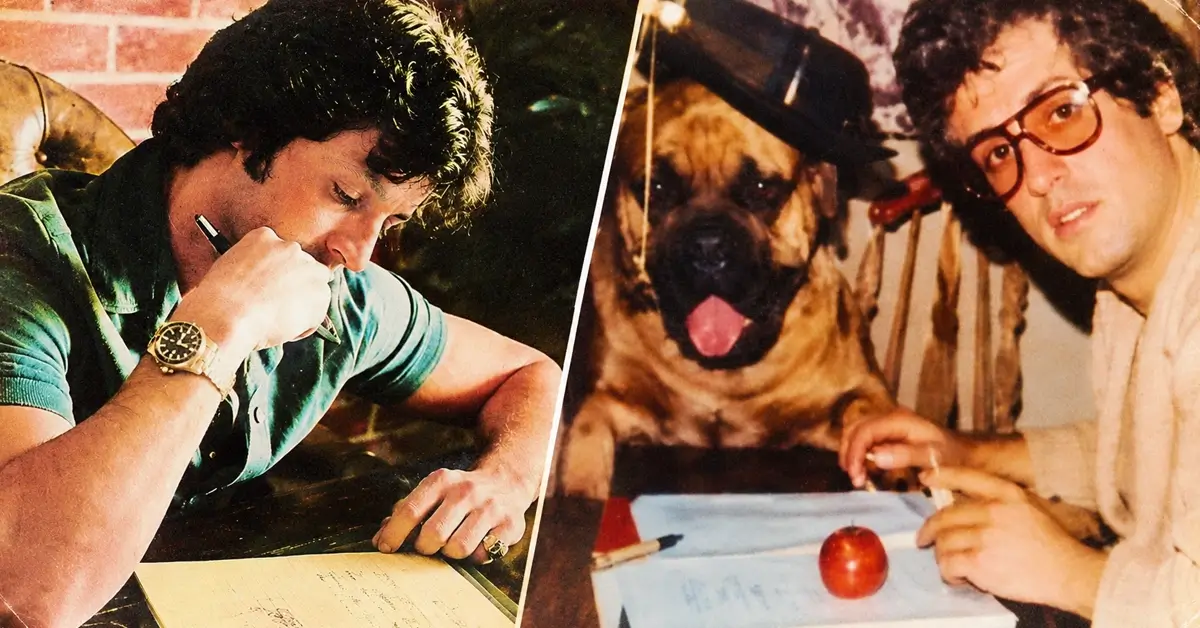 Stallone developed the Rocky screenplay in just a few days, turning his initial inspiration into a complete story about a boxer seeking recognition both inside and outside the ring. The project caught the attention of producers Irwin Winkler and Robert Chartoff, who saw commercial potential in the story and began working to get the production off the ground.
However, one condition became the biggest obstacle to the deal: Stallone wanted to play Rocky Balboa. At the time, the actor was still virtually unknown to mainstream audiences. For studio executives, hiring a more established star for the leading role seemed like a safer business decision.
The offer to purchase the screenplay without guaranteeing its creator a starring role appeared to be a significant financial opportunity for Stallone. After all, the money could have represented a major turning point in his life.
Despite the difficulties, he refused to give up the character. Stallone believed his connection to Rocky was essential to making the story work. He wanted more than just to sell a screenplay; he wanted the opportunity to bring the man he had created to life. His determination led to difficult negotiations but ultimately helped establish the conditions needed to move the project forward.
Why Did Sylvester Stallone Insist on Playing Rocky?
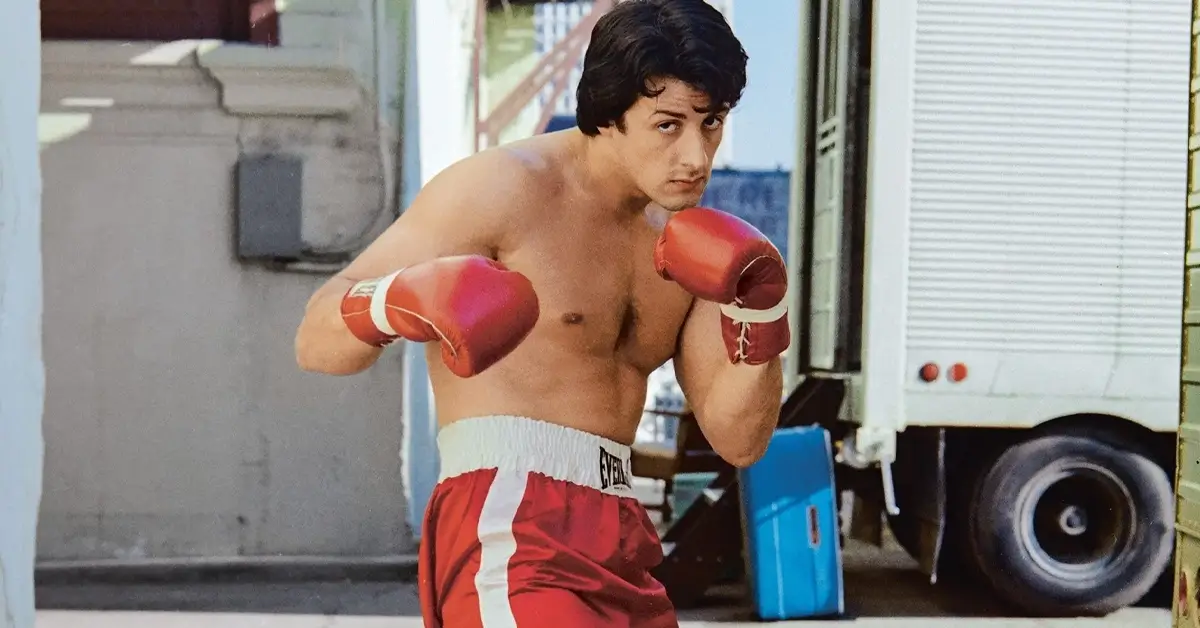
Stallone’s decision was not simply driven by a desire for fame. The actor believed he understood the character’s essence because he had incorporated parts of his own experiences into the story. Like Rocky, he knew what it felt like to be underestimated, face hardships, and fight for an opportunity.
The character was not portrayed as an invincible hero. On the contrary, his strength came from his limitations, insecurities, and ability to keep trying even when circumstances were against him. That connection helps explain why Stallone considered playing the lead role so important.
The negotiations also represented a considerable risk. Turning down financially attractive offers meant continuing to face uncertainty in a career that had yet to take off. Nevertheless, his determination prevailed. The producers managed to move forward with the production with Stallone in the leading role, allowing the project to preserve its creator’s vision.
How Rocky Became a Worldwide Phenomenon
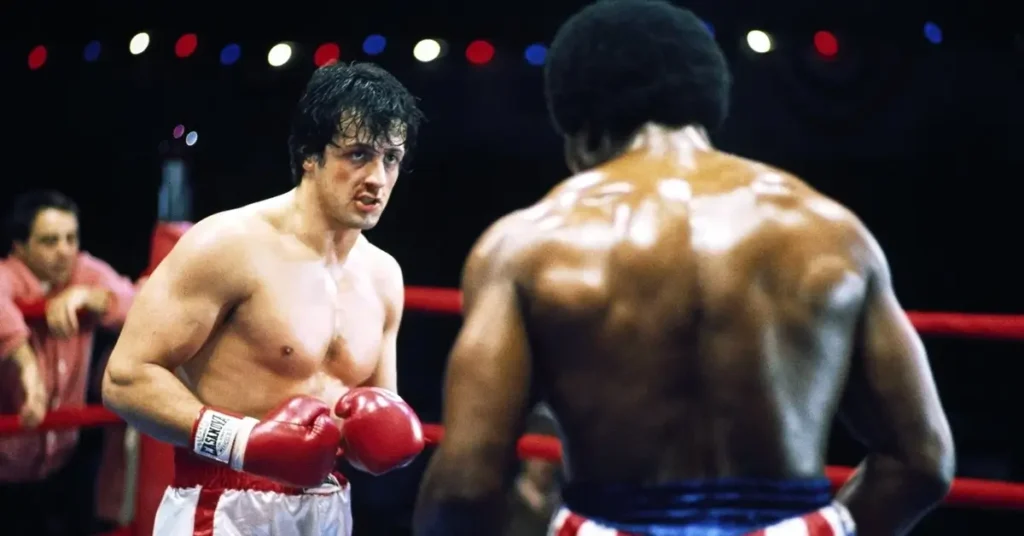
Sylvester Stallone portrays Rocky Balboa facing Apollo Creed in a scene from Rocky (1976), the classic that defined the actor’s Hollywood career. Reproduction / United Artists.
Released in 1976, Rocky introduced audiences to a story that went beyond the boundaries of a traditional boxing movie. Directed by John G. Avildsen, the film follows Rocky Balboa, a Philadelphia boxer who gets the opportunity to face Apollo Creed, played by Carl Weathers.
The production won over audiences by combining drama, romance, sports, and an uplifting story of perseverance. The relationship between Rocky and Adrian, played by Talia Shire, also helped give the story its emotional depth.
The result was a critical and commercial success that turned Stallone into a Hollywood star. The film received ten nominations at the 1977 Academy Awards and won three Oscars: Best Picture, Best Director, and Best Film Editing.
Beyond its Academy Award recognition, Rocky became one of the most important franchises in film history, spawning several sequels and, eventually, the Creed film series. The character also transcended the screen, becoming a cultural symbol of perseverance and overcoming adversity.
I Play Rocky: What Is True About the Film’s Story?

As it revisits the creation of Rocky, I Play Rocky portrays real events from Sylvester Stallone’s life, particularly his struggle to secure the leading role in his own screenplay.
The film dramatizes the period when the artist was facing professional and financial difficulties, as well as negotiations with producers and executives who did not consider his casting as the lead a commercially safe decision.
However, as with other biographical productions, the movie should not be mistaken for a documentary account of every event.
Characters, dialogue, and situations may be adapted to create clearer conflicts and give the story a stronger narrative pace. The film itself uses dramatic storytelling techniques to portray the obstacles Stallone faced while developing the project.
For this reason, I Play Rocky works primarily as a dramatization of the making of a classic film rather than a complete reconstruction of the actor’s life. Its central element, however, remains rooted in a real event: Stallone’s insistence on playing the character he had created, even when faced with offers that could have provided a more immediate financial return.
Anthony Ippolito Plays a Young Sylvester Stallone

To portray the actor during the period leading up to the success of Rocky, the production cast Anthony Ippolito.
Also known for playing Al Pacino in the miniseries The Offer, the actor takes on the challenge of recreating an important period in Stallone’s life, including his speech patterns, gestures, and personality. The cast also includes AnnaSophia Robb, Matt Dillon, Stephan James, Toby Kebbell, P. J. Byrne, and Jay Duplass.
The film is directed by Peter Farrelly, known for Green Book, while the screenplay was written by Peter Gamble. The production aims to recreate the atmosphere of 1970s Hollywood and show how a project initially considered risky ultimately became one of the biggest successes in film history.
FREQUENTLY ASKED QUESTIONS
Frequently Asked Questions About I Play Rocky
Discover the true story of Sylvester Stallone and the behind-the-scenes story of how Rocky was created.
What is the movie I Play Rocky about?
I Play Rocky portrays Sylvester Stallone’s journey while creating Rocky (1976). The film follows the challenges the actor faced in turning his screenplay into a movie while remaining determined to play the lead character, Rocky Balboa.
Was Rocky Balboa inspired by a real person?
Rocky Balboa is a fictional character created by Sylvester Stallone. However, one of the inspirations behind the character was boxer Chuck Wepner, who faced Muhammad Ali on March 24, 1975, and managed to last until the 15th round before losing by technical knockout.
Why did Sylvester Stallone insist on playing Rocky?
Stallone believed he should play the character he had created. Even when offered deals to sell the screenplay without securing the leading role for himself, the actor refused to give up the opportunity to bring Rocky Balboa to life. His determination was essential in preserving the project’s original vision.
Who plays Sylvester Stallone in I Play Rocky?
Actor Anthony Ippolito plays a young Sylvester Stallone in I Play Rocky. He is also known for portraying Al Pacino in the miniseries The Offer.
Who directed I Play Rocky?
The film is directed by Peter Farrelly, the Academy Award-winning filmmaker behind Green Book. The screenplay for I Play Rocky was written by Peter Gamble.
When was Rocky released?
Rocky was released in 1976. Directed by John G. Avildsen and starring Sylvester Stallone, the film won three Academy Awards in 1977: Best Picture, Best Director, and Best Film Editing.
How many Oscars did Rocky win?
Rocky won three Academy Awards in 1977, in the categories of Best Picture, Best Director, and Best Film Editing. The production received ten nominations overall.